Author: Tom Chivers & David Chivers
Genre: Nonfiction / Data Literacy / Popular Science
Ideal for: Anyone who wants to get better at spotting misleading statistics, decoding data in the news, or simply feeling less anxious about numbers in everyday life.
Numbers are everywhere. From the percentage on your favourite moisturiser that promises “clinically proven results,” to the polling data that shapes elections, to the infection rates and vaccine efficacy figures that defined the pandemic years—statistics are a constant part of how we understand the world. And yet, so often, they leave us confused, anxious, or worse—misled.
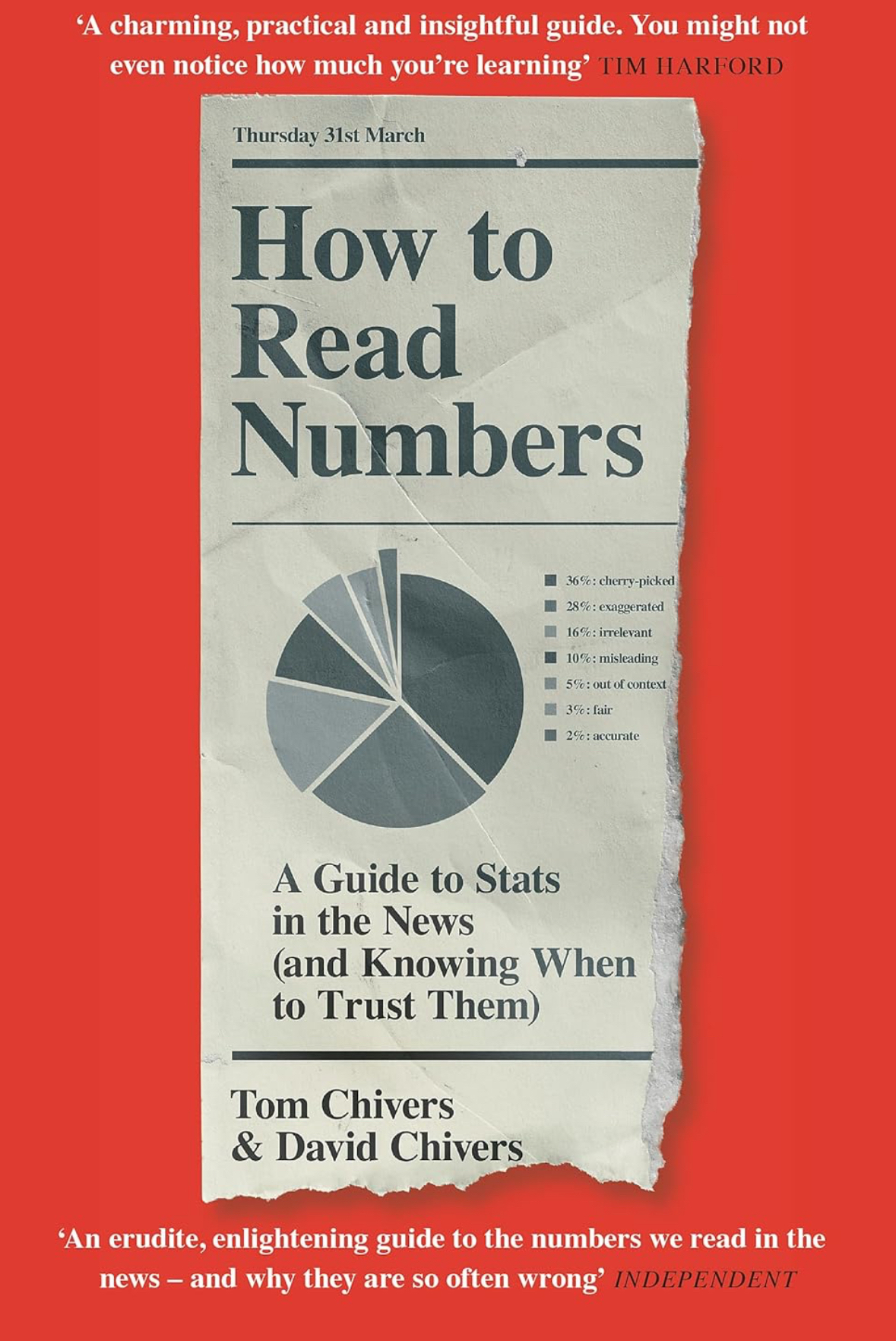
That’s where How to Read Numbers by Tom and David Chivers comes in. This book is exactly what its subtitle promises: a friendly, practical guide to making sense of the stats that dominate the headlines and creep into conversations. It’s not a math textbook, nor is it dry or intimidating. Instead, it’s witty, engaging, and above all, empowering—a toolkit for navigating a world drowning in data without drowning yourself.
A Book That Makes Numbers Human
The Chivers brothers know their audience well. Tom is a science journalist, while David is an economist, and together they bring both clarity and warmth to a subject that, frankly, intimidates a lot of us. They don’t assume you’ve taken advanced math. They don’t bury you in jargon. Instead, they meet readers where they are, with clear explanations and clever real-world examples.
One of the strengths of How to Read Numbers is how human it feels. The authors don’t present statistics as cold, mechanical truths. Instead, they remind us that every number comes from human choices—what to measure, how to measure it, and how to present it. That means numbers can be powerful, but also fallible. When they explain concepts like relative risk or false positives, they do it in ways that connect directly to lived experience—whether it’s medical testing, crime rates, or the odds of winning the lottery.
I especially appreciated the chapters that highlighted how easily numbers can be weaponised. Think of the “1 in 3 marriages end in divorce” stat that’s been floating around forever. On its own, it sounds bleak. But when you dig into how it’s calculated, you realise it’s far more nuanced. This is what the Chivers brothers do so well: they don’t just debunk misleading stats, they show you the mechanics of why those numbers mislead, so you can catch the trick yourself next time.
The Structure: Short, Sharp, and Smart
The book is broken into short, digestible chapters—each focused on one common statistical pitfall. Topics range from sample size errors to cherry-picked averages to why “correlation does not equal causation” is more than just a meme.
This format makes it perfect for dipping in and out, or even using as a reference when a particularly fishy statistic shows up in your newsfeed. You don’t need to read it all in one go, though it’s easy to—each chapter is around five pages, witty enough to keep you turning, and packed with relatable examples.
One of my favourite sections tackled the way headlines distort risk. If a study says a drug “doubles your risk” of something, it’s tempting to panic. But double compared to what? If the risk goes from one in a million to two in a million, is that really worth the alarm bells? The Chivers’ knack for bringing context back to the numbers is one of the book’s greatest strengths.
Why This Book Feels So Timely
Let’s face it: the last few years have been a crash course in statistical literacy. COVID-19 brought infection rates, R numbers, and vaccine efficacy percentages into dinner-table conversations. Meanwhile, social media has only supercharged the spread of numbers without nuance.
In that context, How to Read Numbers feels less like optional reading and more like essential survival gear. The book arms you with the tools to slow down, ask the right questions, and avoid falling into traps laid by clickbait headlines or bad-faith actors.
But what I really loved is that the book doesn’t make you cynical. The authors aren’t telling us to distrust every number we see. Instead, they remind us that numbers can illuminate reality beautifully when they’re used well—and they show us how to recognise when that’s happening.
Style and Accessibility
If you’re picturing dry lectures, don’t. This is popular science writing at its best: breezy but not shallow, clear without being condescending. The Chivers brothers sprinkle in humour and self-awareness, which makes even technical concepts like Bayes’ theorem surprisingly fun to read.
There’s also a generosity to the writing. Instead of making the reader feel dumb for not knowing statistical tricks, the book reassures you that it’s normal to be confused. After all, plenty of professionals get it wrong, too. That sense of camaraderie makes the book feel like a conversation with two smart, funny friends who just happen to know a lot about numbers.
Who Should Read This Book?
Honestly? Almost everyone. But here are a few groups who would find it especially rewarding:
- News junkies: If you’re constantly scrolling headlines and want to separate hype from truth.
- Students: Whether you’re in high school or college, this is the stats education you’ll actually use.
- Parents: If you’re tired of trying to parse scary medical statistics thrown around online.
- Professionals: Journalists, marketers, and policy-makers who deal with numbers in communication will find this invaluable.
Even if you don’t think of yourself as a “numbers person,” this book is designed with you in mind.
Highly recommended if you like:
- Factfulness by Hans Rosling
- The Art of Statistics by David Spiegelhalter
- Thinking, Fast and Slow by Daniel Kahneman
Final Thoughts
How to Read Numbers is one of those rare nonfiction books that genuinely changes the way you see the world. It doesn’t just give you facts; it rewires your instincts. After reading it, you’ll find yourself pausing at alarming headlines, asking “compared to what?” or “how big was the sample?” You’ll be less likely to share misleading posts, more confident in conversations, and better equipped to navigate a data-driven world.
For me, this book was a revelation. It took something that has often felt opaque and intimidating—statistics—and made it accessible, empowering, even enjoyable. That’s no small feat.
Five stars, without hesitation. If you want a book that will make you smarter, calmer, and a little harder to fool, How to Read Numbers is one you shouldn’t miss.