Tea is more than a drink—it’s agriculture, ritual, trade, science, and philosophy in a cup. Whether you’re curious about terroir and processing, drawn to tea’s cultural history, or simply want to brew better at home, the right book can transform how you understand and enjoy tea. Below is a carefully curated list of the best books on tea, blending authoritative history, practical brewing guidance, and lyrical storytelling. These titles are frequently cited by tea professionals and beloved by readers who want depth without intimidation.
The Story of Tea by Mary Lou Heiss & Robert J. Heiss

Often called the modern tea bible, The Story of Tea is the most comprehensive single-volume introduction to the subject. The Heisses cover tea’s origins in China, its spread across Asia and the world, and the intricacies of cultivation and processing—while remaining accessible to beginners. What sets this book apart is its balance: rigorous research paired with clear explanations and practical tasting notes. If you want one foundational book that does it all, start here.
For All the Tea in China by Sarah Rose
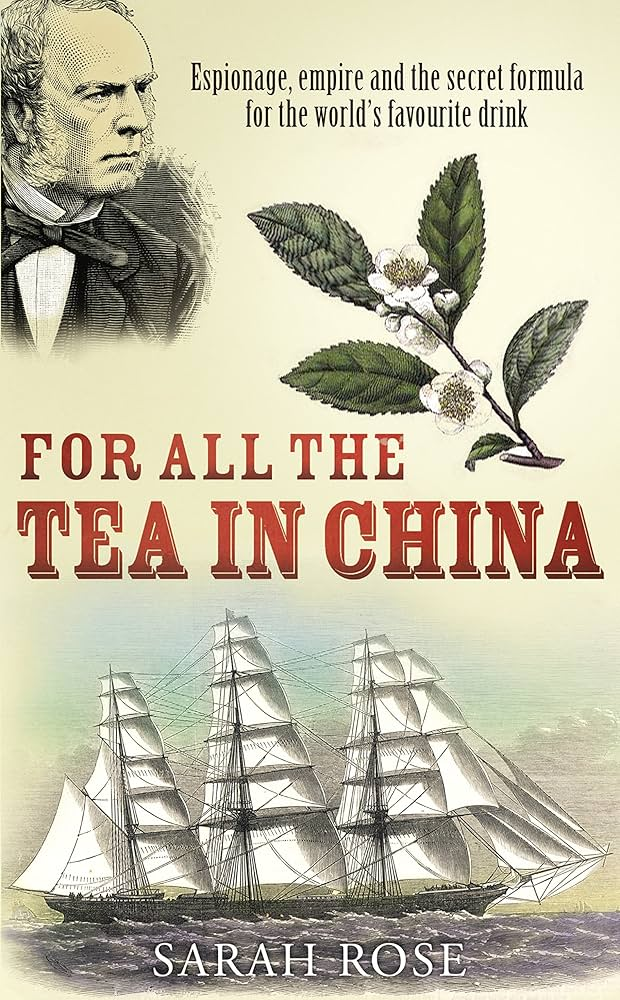
This is tea history told as a geopolitical thriller. For All the Tea in China recounts the astonishing true story of Britain’s 19th-century mission to steal tea plants and production secrets from China to break its monopoly. It reads like narrative nonfiction at its best—richly researched, fast-paced, and revelatory. Ideal for readers fascinated by empire, trade, and how a single leaf reshaped global power.
The Tea Enthusiast’s Handbook by Mary Lou Heiss & Robert J. Heiss
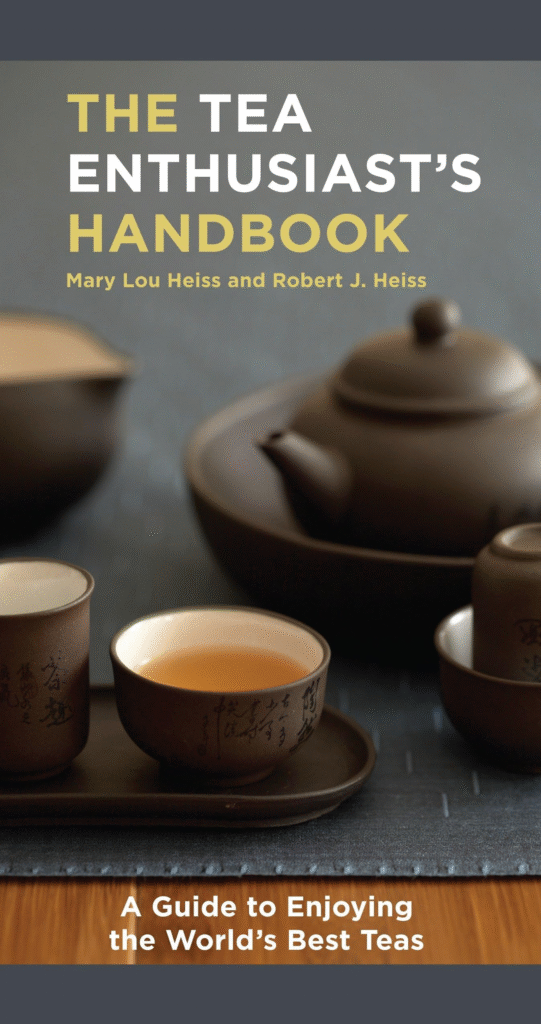
If The Story of Tea is the encyclopedia, this is the field guide. Organized by tea type—white, green, oolong, black, pu-erh—The Tea Enthusiast’s Handbook dives into terroir, flavor profiles, and brewing specifics with clarity and confidence. It’s especially valuable for readers ready to move beyond teabags and into whole-leaf tea, tastings, and mindful brewing.
The Book of Tea by Okakura Kakuzō

A slim classic with enduring influence, The Book of Tea is less about how to brew and more about how to see. Written in 1906, it explores tea as an aesthetic and philosophical practice, connecting the Japanese tea ceremony to Zen, art, and the beauty of imperfection. It’s meditative, poetic, and best read slowly—an essential counterpoint to technical manuals.
Tea: History, Terroirs, Varieties by Kevin Gascoyne, François Marchand & Jasmin Desharnais
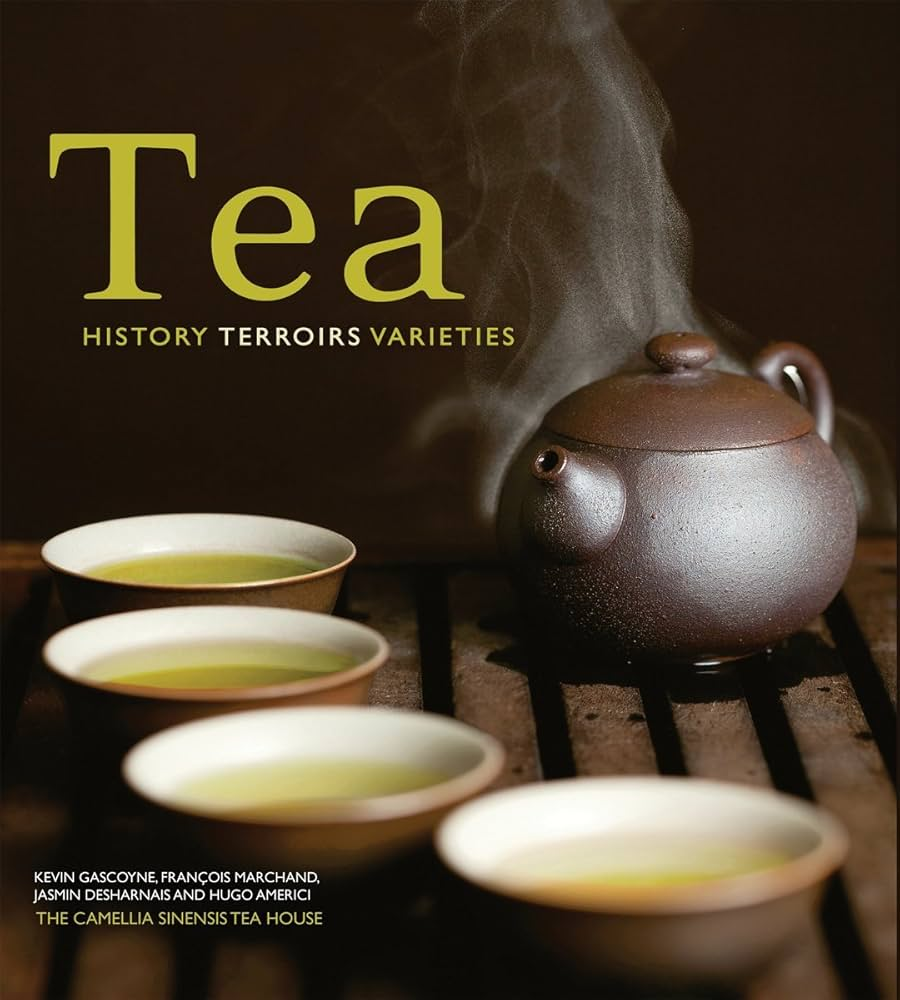
Visually rich and meticulously organised, this book is a favourite among tea educators. It excels at explaining why teas taste the way they do—linking cultivar, climate, processing, and craft. The photography is gorgeous without being distracting, making it a pleasure to browse as well as study. A strong choice for readers who learn best through visuals and structure.
Tea: A User’s Guide by Tony Gebely

This modern guide strips away mystique without stripping away respect. Gebely writes with precision and approachability, addressing common myths and focusing on fundamentals: leaf quality, water, temperature, and time. It’s particularly useful for coffee converts and skeptics who want a clear, no-nonsense path to better tea at home.
The World Atlas of Tea by Krisi Smith

Geography lovers, this one’s for you. The World Atlas of Tea maps tea’s global footprint, region by region, with cultural context and production details. It’s excellent for understanding how Darjeeling differs from Assam, or why Taiwanese oolongs taste the way they do. The atlas format makes it ideal for reference and exploration alike.
The Way of Tea by Aaron Fisher

Blending memoir, philosophy, and tea education, The Way of Tea invites readers into the contemplative side of tea practice. Fisher explores tea as a discipline—one that cultivates attention, humility, and presence. This book resonates with readers drawn to gongfu tea, meditation, and tea as a lived practice rather than a beverage alone.
Which Tea Book Should You Read First?
If you’re completely new, begin with The Story of Tea for a panoramic overview. If you prefer narrative history, For All the Tea in China offers an unforgettable entry point. Those eager to improve daily brewing will appreciate the clarity of Tea: A User’s Guide or The Tea Enthusiast’s Handbook. And if you’re drawn to tea’s spiritual and aesthetic dimensions, The Book of Tea or The Way of Tea will feel like coming home.
Why Reading About Tea Deepens the Cup
Great tea books do more than inform—they slow you down. They teach patience, attention, and respect for craft. Understanding terroir makes flavour clearer; knowing history makes ritual meaningful. Over time, reading about tea changes how you brew, how you taste, and how you share the cup with others.
Whether you’re building a tea library or choosing a single companion volume, these books represent the best of tea writing: knowledgeable, generous, and deeply human.